
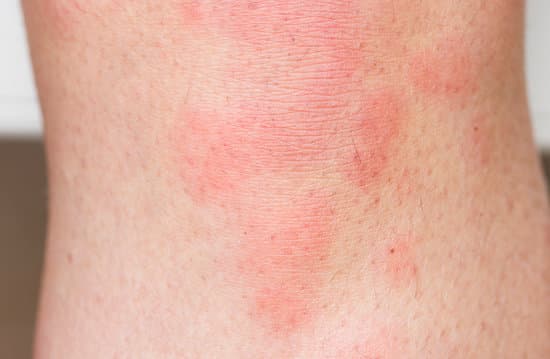
Urticaria, commonly known as hives, is a dermatological condition characterized by itchy, raised, and often red welts on the skin. It is a relatively common condition that affects people of all ages and can be triggered by various factors. In this article, we will explore the signs and symptoms of urticaria, different types, and the available treatment options.
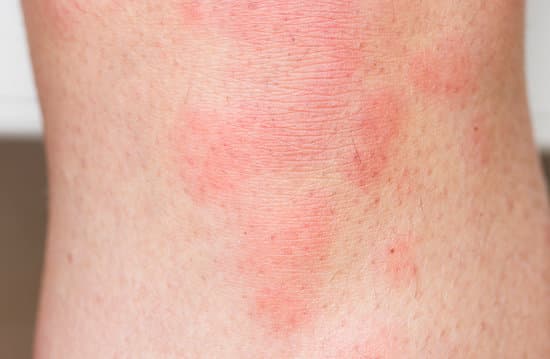
Signs and Symptoms: The primary symptom of urticaria is the appearance of raised welts on the skin, which are typically accompanied by intense itching. These welts, also known as wheals, can vary in size and shape and may merge together to form larger areas of swelling. They often appear suddenly and can disappear within hours or persist for several days before fading away.
The welts may appear anywhere on the body, including the face, arms, legs, and torso. In some cases, individuals may experience additional symptoms such as a burning sensation, stinging, or a deep pain in the affected areas.
Different Types: Urticaria can be categorized into two main types: acute urticaria and chronic urticaria. Acute urticaria is short-lived and usually lasts for a few hours to several weeks. It is commonly caused by allergic reactions to certain foods, medications, insect bites, or environmental factors.
Chronic urticaria, on the other hand, persists for six weeks or more and often has an unknown cause. It can significantly impact an individual’s quality of life and may require ongoing management.
Treatment Options: The treatment of urticaria aims to alleviate symptoms, reduce the frequency and severity of outbreaks, and identify and manage underlying triggers. In mild cases, over-the-counter antihistamines at your local pharmacy, such as cetirizine, rupatadine 10mg( once a day, non-sedating, 24hour lasting, works within 30 minutes) or loratadine, can effectively relieve itching and reduce the appearance of hives.
For more severe or chronic cases, prescription-strength antihistamines or other medications like corticosteroids may be recommended. In cases where the cause of urticaria is identified, avoidance of the trigger is crucial to prevent future outbreaks. Identifying triggers can be challenging, and it may require a comprehensive evaluation by a healthcare professional.
Additionally, non-medical approaches like applying cold compresses to the affected areas, wearing loose-fitting clothing, and avoiding hot showers or baths can help soothe the symptoms and minimize discomfort.
In conclusion, urticaria, or hives, is a common skin condition characterized by itchy and raised welts. It can occur in acute or chronic forms, with various triggers such as allergens, medications, or unknown factors. Treatment options include over-the-counter antihistamines, prescription medications, and trigger avoidance. If you or someone you know experiences persistent or severe symptoms of urticaria, it is recommended to consult a healthcare professional for an accurate diagnosis and personalized treatment plan.
 The Medicine Healers